How Skylights Rooflights Transform Your Office
Skylights vs. Standard Windows: Which Option Is Best for You?
When property owners look to improve natural light throughout their homes, the decision between skylights and conventional windows frequently comes up. Every choice brings its own set of opportunities and considerations. Skylights are capable of filling a space with overhead illumination, while traditional windows offer views and architectural diversity. Grasping the impact of each option is critical for arriving at a well-informed conclusion. What considerations should be placed first in this assessment, and how do they impact long-term satisfaction?
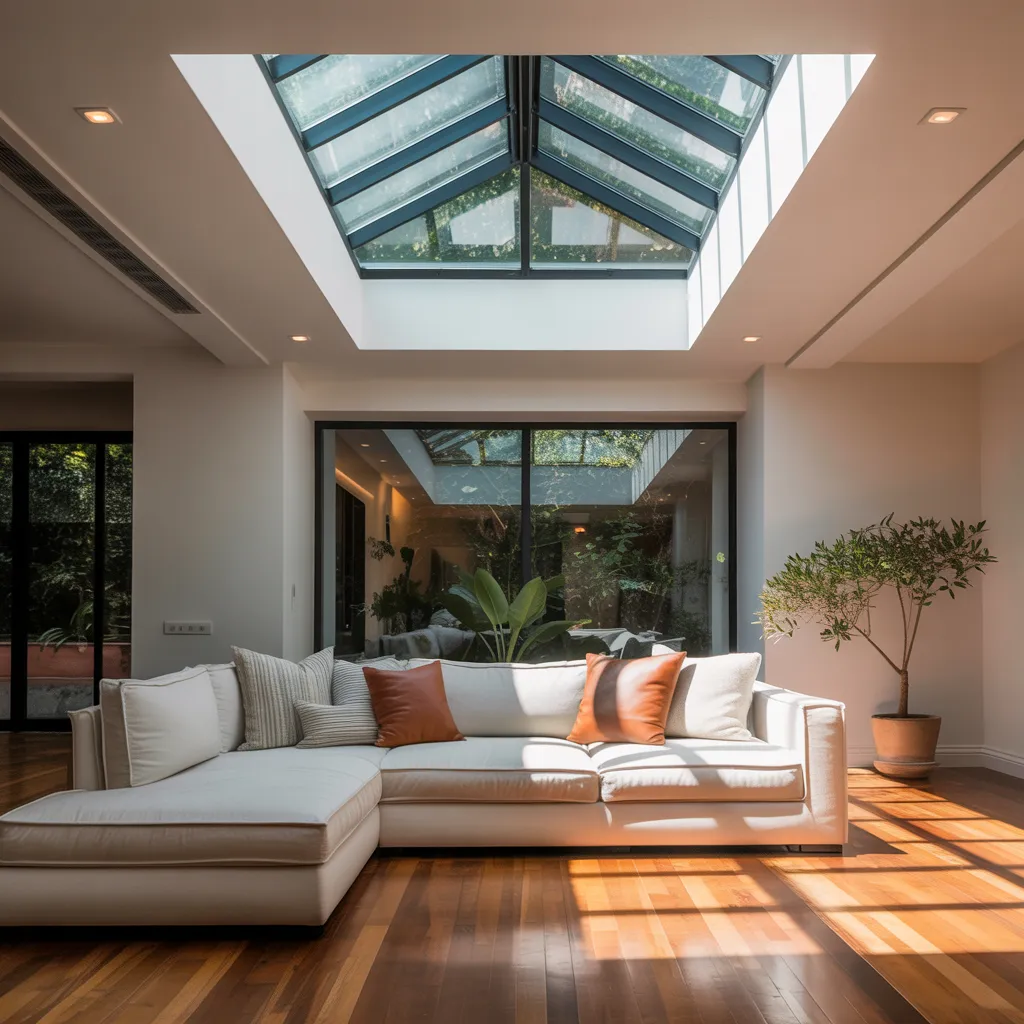
Skylights vs. Traditional Windows: A Natural Light Comparison
When exploring ways to improve the natural light within a space, skylights and conventional windows provide unique benefits. Skylights, installed on the rooftop, provide an unobstructed source of light, filling rooms with daylight from above. This top-down illumination can create a bright and airy atmosphere, helping areas appear bigger and more appealing. Moreover, skylights can minimize the dependence on electric lighting during daylight hours.
On the other hand, conventional windows allow for natural light to enter from the sides, delivering views of the outside surroundings. They can be carefully situated to maximize sunlight exposure throughout the day, depending on the directional placement of the room. Moreover, traditional windows can be crafted in a variety of styles to complement architectural designs, enhancing both light and visual appeal. At the end of the day, the choice between skylights and traditional windows depends on personal preferences, the layout of the room, and the preferred ambiance of the room.
Energy Savings: Skylights or Standard Windows?
When examining energy use, skylights and traditional windows each offer distinct benefits. Skylights can enhance natural light, thereby minimizing the use of artificial lighting, while standard windows could deliver improved heat retention. Examining energy costs uncovers notable differences that may impact homeowners' choices.
Benefits of Natural Light
Natural light plays an essential role in improving energy efficiency, and selecting between skylights and conventional windows significantly affects this advantage. Skylights enable abundant natural light to reach further into indoor areas, reducing reliance on artificial lighting during the day. This can translate into lower energy bills and a diminished carbon footprint. In contrast, traditional windows primarily illuminate rooms near the exterior walls, which may limit light distribution. Moreover, the angle and location evaluation of skylights can collect more sunlight during the day, especially in rooms featuring high ceilings. Overall, integrating natural light through either solution can improve energy efficiency, but skylights often provide a more significant advantage in maximizing daylight exposure across a home or building.
Heat Preservation Comparison
When comparing skylights and traditional windows in terms of heat retention? These two choices feature different attributes that impact their overall energy efficiency. Standard windows usually deliver enhanced insulation, especially with double or triple glazing, which limits heat loss during the colder season. While skylights enable natural light penetration, they can at times contribute to higher heat transfer because of their broad surface area and tendency for heat gain during warmer months. However, advancements in skylight technology, such as low-emissivity (low-E) coatings, have improved their thermal performance. In the end, how well each option retains heat is determined by elements such as installation quality, the type of glazing used, and the prevailing climate. Residents should thoughtfully weigh these considerations to establish which solution is best suited to their specific heat retention demands.
Energy Cost Assessment
A review of energy costs demonstrates significant differences between the efficiency of skylights and conventional windows. Skylights are known to admit greater amounts of natural light, helping to decrease dependence on artificial lighting and reduce electricity costs. Nevertheless, their overall energy performance is heavily influenced by glazing quality and proper installation. Top-quality skylights with low-E coatings effectively limit heat transfer, resulting in greater overall energy conservation.
Conversely, traditional windows can also be energy-efficient, especially when using double or triple-pane glass. While they supply reasonable insulating properties, they may not provide the same natural lighting advantages as overhead skylights. In the end, the choice between the two should factor in factors such as location, climate, and specific energy-saving goals to identify the most economically viable choice.
Key Things to Know About Skylights
Why do homeowners find skylights such an attractive option? Skylights present a unique opportunity to maximize natural light within the home, producing a warm and welcoming ambiance. Available in various styles and sizes, they can be seamlessly integrated into different architectural designs. Homeowners frequently recognize the energy efficiency advantages; thoughtfully installed skylights can decrease dependence on electric lighting during daylight hours.
In addition, skylights can increase ventilation when fitted with operable mechanisms, allowing warm air to dissipate and supporting airflow. They also deliver unique aesthetic attributes, serving as focal points that can improve interior design. However, it is necessary for homeowners to account for factors such as installation expenses, potential leaks, and the need for proper maintenance. Understanding the specific considerations and consequences of skylights can enable homeowners reach informed decisions aligned with their living conditions.
Main Pros and Cons of Traditional Windows
Traditional windows have long been a cornerstone of home design, delivering unique strengths along with some recognizable disadvantages. A primary benefit lies in their capacity to supply natural lighting and fresh air circulation, boosting indoor air quality and decreasing the need for artificial lighting. They are furthermore offered in a wide range of styles and materials, allowing homeowners to customize their appearance to suit personal preferences.
Nevertheless, standard windows are not without their downsides. Energy efficiency is often a worry, most notably with aging models that can allow cold drafts and thermal loss. Moreover, maintenance requirements can be more burdensome, as frames and seals often need consistent attention to avoid deterioration. Standard windows often prove less capable of regulating solar heat gain relative to contemporary alternatives, contributing to rising air conditioning costs in the summer months. In the end, opting for traditional windows requires carefully balancing these benefits against their limitations according to personal needs and situations.
Aesthetic Appeal: Skylights vs. Windows
The aesthetic quality of skylights and conventional windows plays a major role in home design decisions. Skylights help maximize natural light and generate an open and airy atmosphere, while conventional windows provide flexible design possibilities that work well with numerous architectural designs. Recognizing these distinctions helps homeowners make informed decisions based on their aesthetic preferences.
Natural Lighting Impact
Natural light plays a pivotal role in improving the visual appeal of home interiors, with skylights and traditional windows offering distinct advantages. Skylights, positioned on the ceiling, permit sunlight to pour in from overhead, producing an atmosphere of openness and comfort. This upward light can highlight architectural features and make spaces feel larger and more inviting. On the other hand, traditional windows deliver glimpses of the exterior, joining interior rooms with the natural scenery. They have the ability to capture scenic views and generate an engaging dance of light during daylight hours. Whereas skylights are effective at lighting dim spaces, standard windows can improve exterior aesthetics and architectural distinction. Ultimately, the choice between skylights and traditional windows impacts the overall ambiance and energy of a home.
Versatile Design Options
Design versatility is a significant factor when comparing skylights and traditional windows, as both choices add their own unique qualities to a home's overall appearance. Skylights offer a modern touch, blending naturally into ceilings to establish a bright, spacious environment. Their positioning can accentuate structural elements and improve the overall design harmony. By comparison, standard windows deliver an enduring elegance, coming in numerous designs and materials to match virtually any architectural framework. They are adaptable in both size and form, giving homeowners the ability to copyright timeless aesthetics while enhancing natural illumination. Ultimately, the choice between skylights and windows depends on individual preferences, desired ambiance, and the specific architectural context of the home, each offering distinct advantages in design versatility.
Planning Your Budget for Skylights and Traditional Windows
How can one properly plan a budget for skylights as opposed to traditional windows? When evaluating installation expenses, skylights commonly cost between $1,000 and $3,000, varying by size and features. Additional expenses may include structural modifications and potential roofing repairs. On the other hand, traditional windows generally fall between $300 and $1,500 apiece, affected by materials and energy efficiency ratings.
Homeowners should also consider installation fees, which can vary considerably based on local labor rates. Skylights often need specialized installation, driving up overall expenses. In addition, long-term energy savings ought to be considered in the budget; skylights can maximize natural light, potentially reducing electricity bills, while high-efficiency windows offer insulation benefits.
At the end of the day, identifying the best option means evaluating both upfront costs and possible returns. Weighing visual appeal against functional requirements results in a more well-rounded financial choice in the context of skylights versus standard windows.

Frequently Asked Questions
How Do Skylights Impact Indoor Temperature in the Summer?
Skylights can significantly raise indoor temperatures during summer by allowing direct sunlight to enter, often leading to heat accumulation. Correct installation and shading measures are critical to minimize excessive warmth and preserve comfortable interior conditions.
Are Traditional Windows Available in Unique Shapes?
Traditional windows can indeed be installed in unusual shapes, offering unique aesthetic options. Tailored designs help homeowners accentuate structural characteristics, offering both utility and aesthetic beauty while guaranteeing correct installation and optimal energy performance.
What Are the Maintenance Requirements for Skylights Versus Windows?
Skylights typically require more maintenance than traditional windows, as they are prone to leaks and debris buildup. Routine cleaning and inspection are necessary, while windows typically require less upkeep, focusing primarily on cleaning and occasional sealing.
Are Skylights Prone to Leaks or Water Damage?
Skylights may be vulnerable to leaks and water damage, especially if improperly installed or maintained. Regular inspections and proper sealing are essential to minimize risks, guaranteeing they stay effective and clear of moisture-related concerns.
How Do Local Building Codes Affect Skylight Installation?
Local construction codes significantly impact skylight installation by dictating construction requirements, energy conservation requirements, and safety guidelines. Following these regulations guarantees proper installation, minimizing the risk of leaks and boosting the long-term durability and performance of the skylights.